Nov 2, 2025
Best Work Messengers for Teams Where PM Matters (2026)
As teams grow, one problem always shows up:
Conversations happen fast
Decisions get made
But execution leaks
Tasks live in Jira, specs live in Notion, conversations live in Slack
and PMs spend their days translating between tools.
So instead of asking
“What’s the best messenger?”,
let’s ask a better question:
Which tool actually reduces PM work instead of creating more?
Below is a PM-centric comparison of today’s most common collaboration tools.
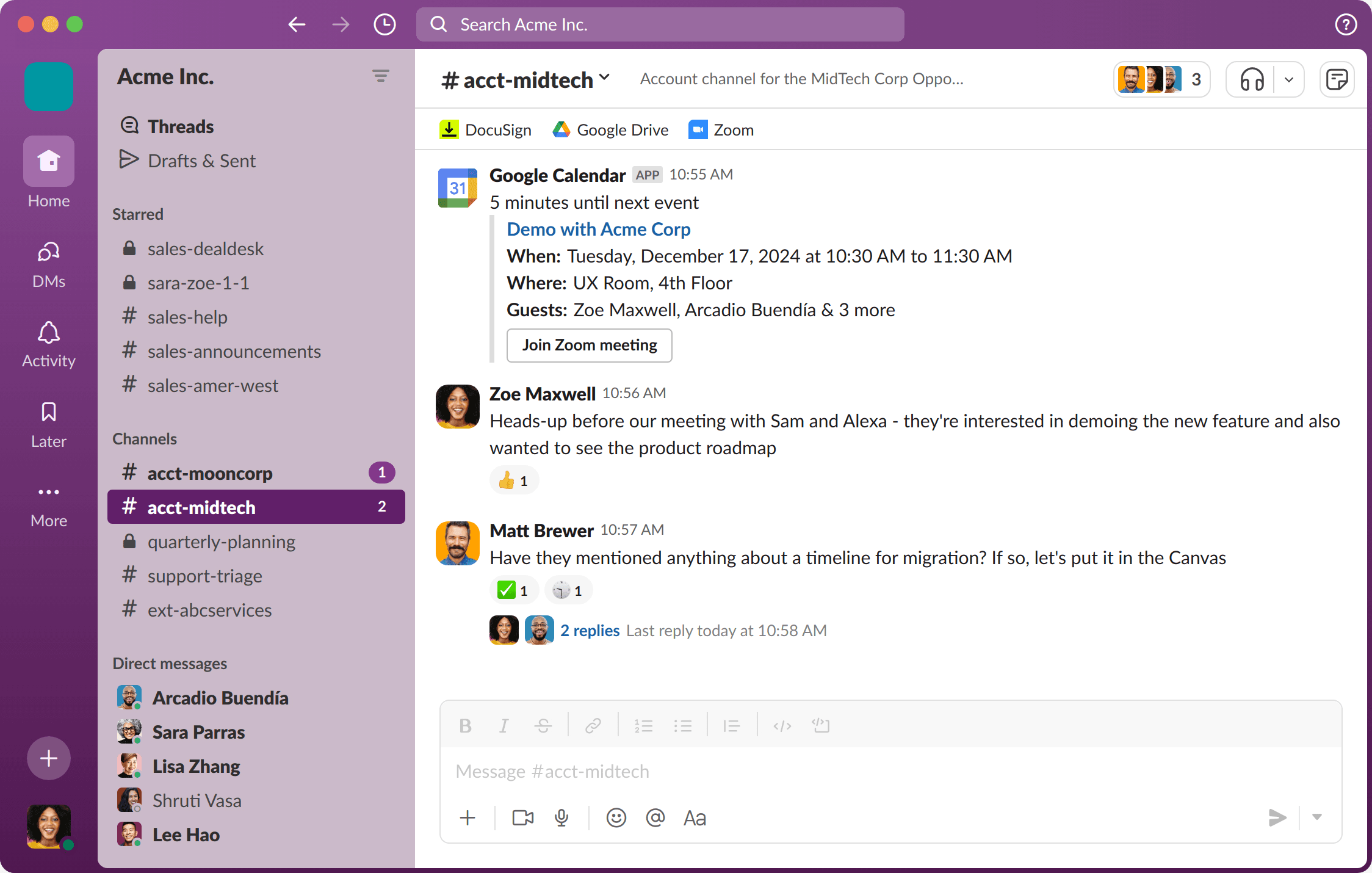
1. Slack
One-liner
👉 Best for communication. Execution still manual.
What it does well
Industry standard for team chat
Fast, reliable, huge integration ecosystem
Where it breaks (PM view)
Conversations don’t become tasks by default
PMs still rewrite discussions into Jira / Notion
“Someone should do this” often stays implicit
Best for
Teams with dedicated PMs or ops staff
Communication-heavy orgs where execution lives elsewhere
2. Notion
One-liner
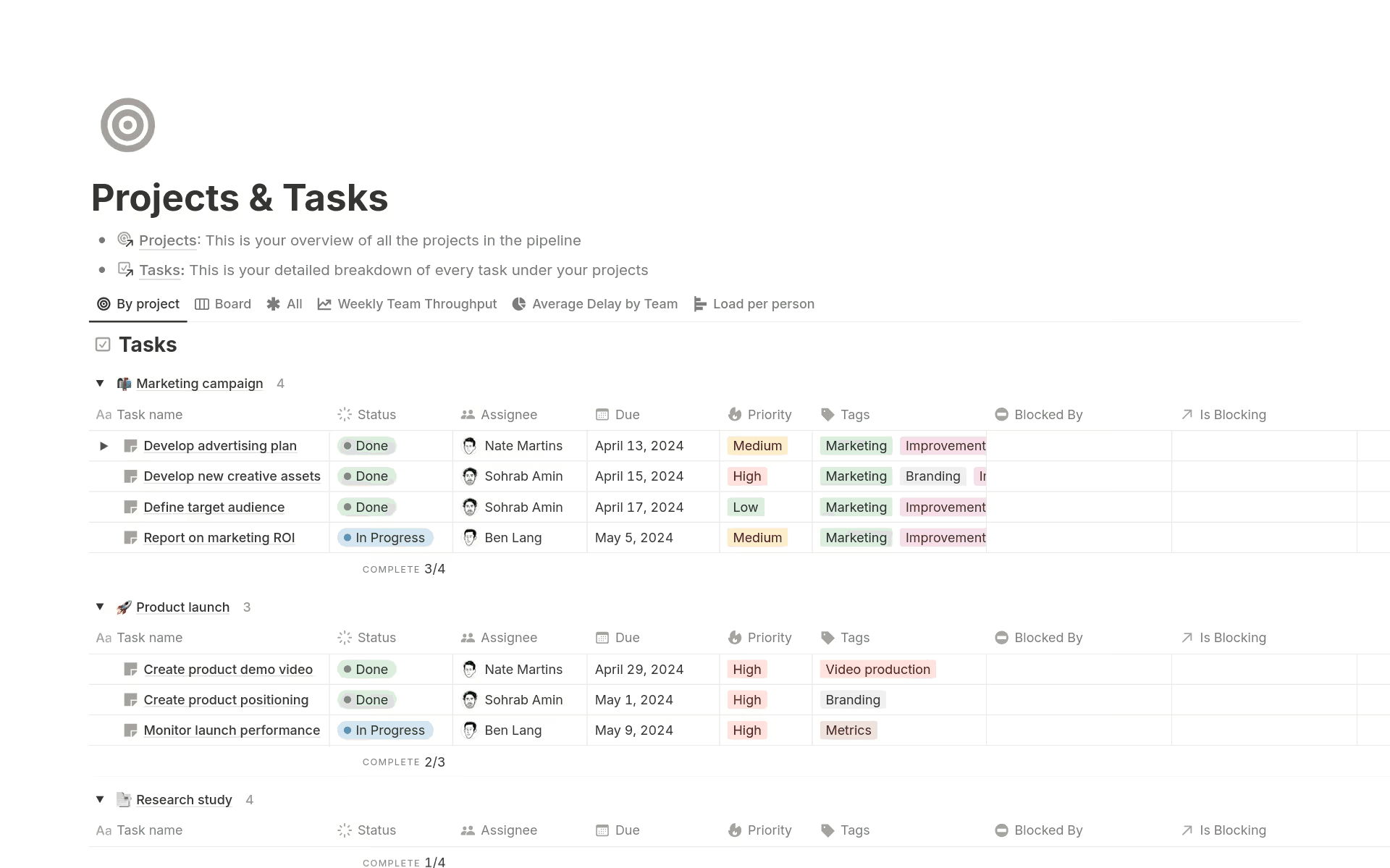
👉 Great for structure, weak for real-time execution.
What it does well
Docs, databases, internal wiki
Flexible project tracking
Where it breaks (PM view)
Not a real messenger
Requires manual cleanup after meetings
Execution starts after documentation
Best for
Documentation-first teams
Planning, research, knowledge management
3. Obsidian
One-liner
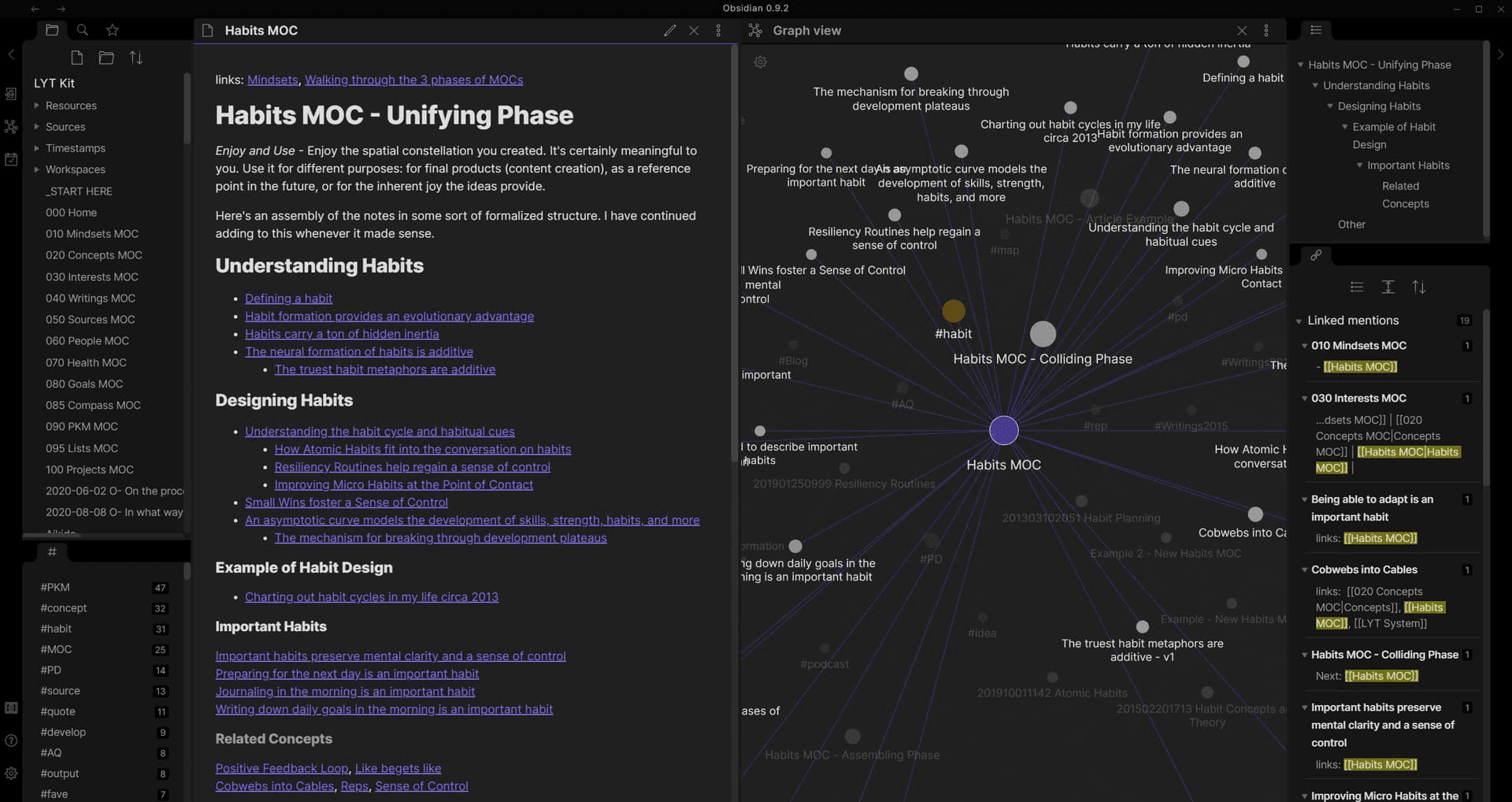
👉 Excellent for personal thinking, not for team execution.
What it does well
Personal knowledge graphs
Full data ownership
Where it breaks (PM view)
No real collaboration layer
No task automation
Not designed for teams
Best for
Individual founders
Researchers, writers, personal PMs
4. Jira
One-liner
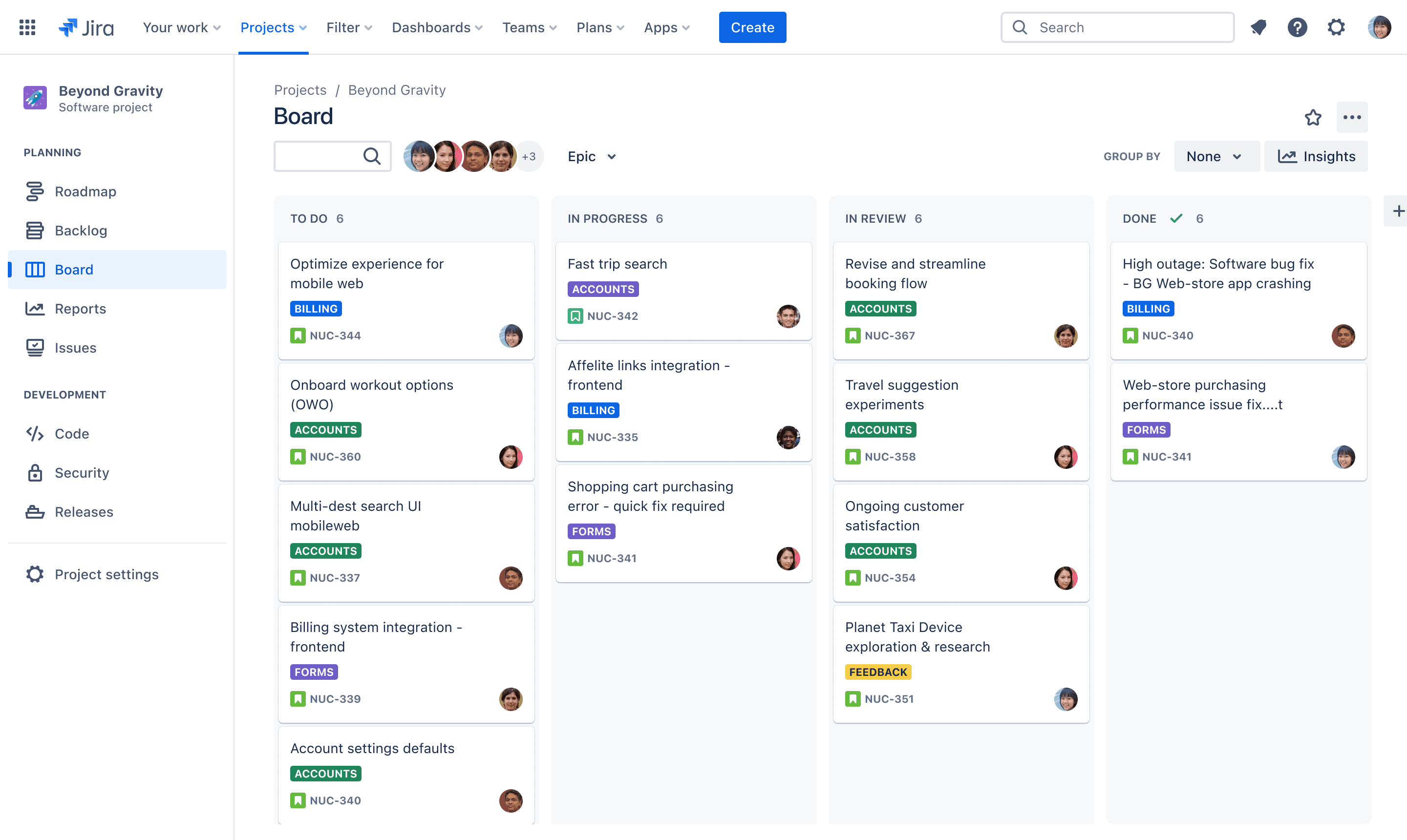
👉 Powerful execution engine with high coordination cost.
What it does well
Best-in-class ticket tracking
Strong workflows for large dev teams
Where it breaks (PM view)
Heavy setup and maintenance
Conversations must be rewritten into tickets
Non-technical teams struggle to use it
Best for
Large engineering orgs
Teams with mature, rigid processes
5. Discord
One-liner
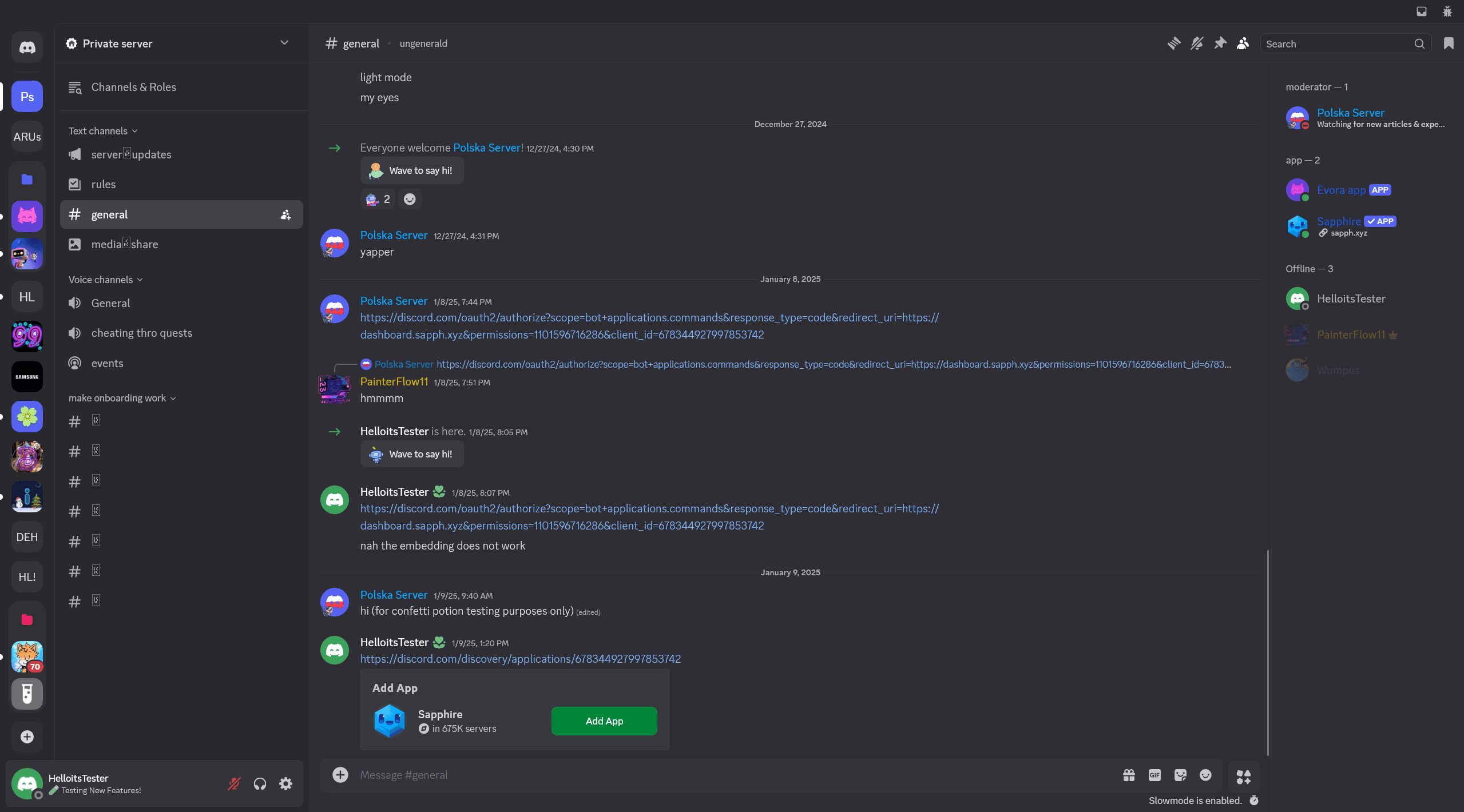
👉 Great conversations, zero execution structure.
What it does well
Real-time chat and voice
High engagement, low friction
Where it breaks (PM view)
No task structure
No accountability layer
Everything scrolls away
Best for
Communities
Creator teams
Informal collaboration
6. MAKi
One-liner
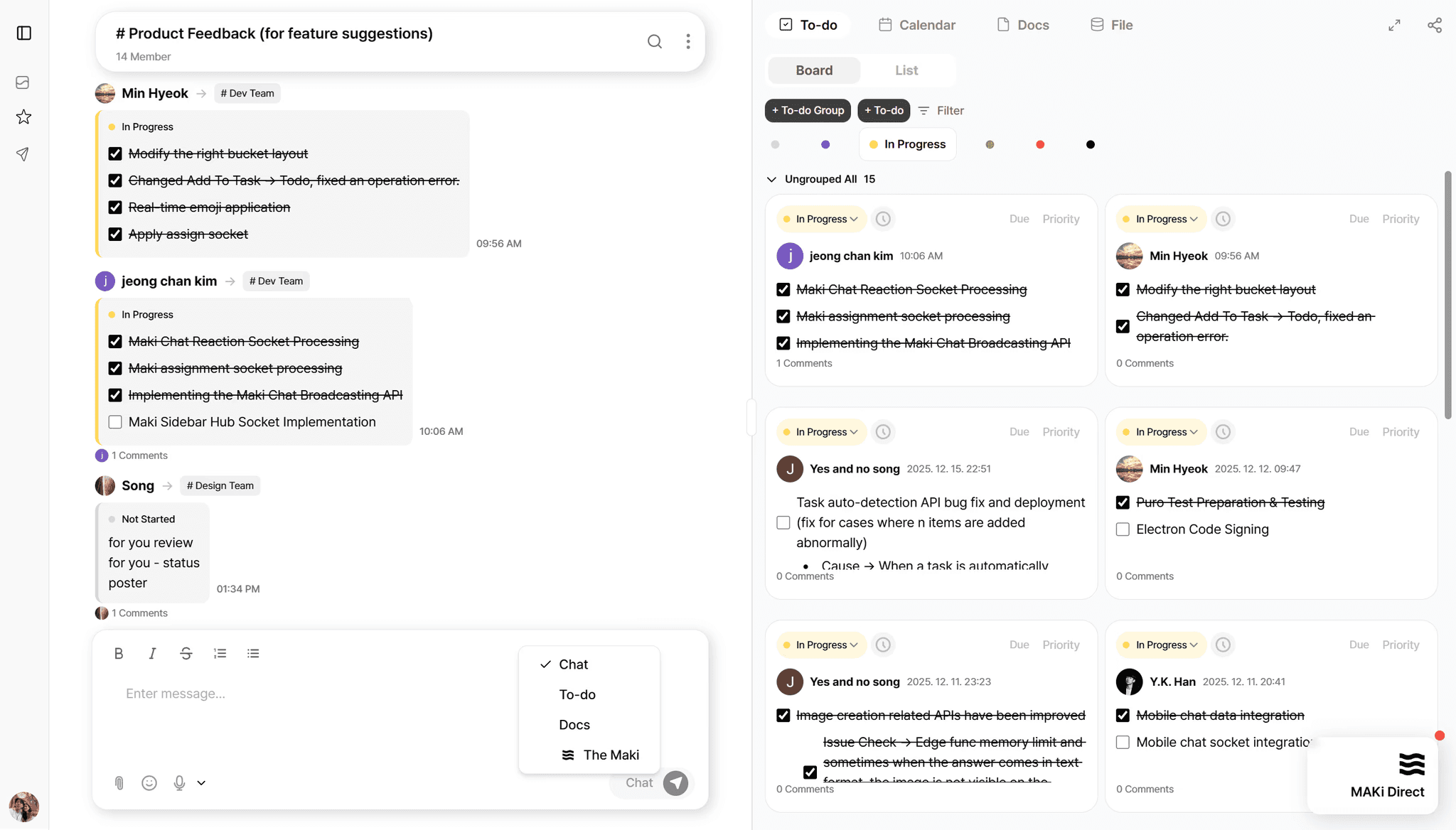
👉 A messenger where PM work happens automatically.
Core idea
Conversation = Executable work
What makes it different
Talk in chat → tasks are created instantly
Decisions turn into tickets without rewriting
To-dos, calendar, docs are connected to conversations
Meetings auto-summarized into action items
Why PMs care
No “sync then document” loop
Ownership and deadlines become explicit immediately
Less coordination overhead, more momentum
Teams move without a dedicated PM babysitting execution
Trade-offs
New mental model (conversation-first execution)
Requires unlearning “chat → Jira later”
Best for
PM-heavy teams
Startups and agencies
Frontline teams that don’t sit at desks
Teams tired of managing tools instead of work
Quick Comparison
Tool | Chat | Execution Automation | PM Load |
|---|---|---|---|
Slack | Strong | ❌ | High |
Notion | Weak | ❌ | High |
Obsidian | ❌ | ❌ | Personal |
Jira | ❌ | Strong | Very High |
Discord | Strong | ❌ | Unmanageable |
MAKi | Strong | Strong | Low |
Final Take
If your team already communicates well,
your real bottleneck is execution.
Most tools either:
Talk well, or
Track work well
MAKi does both in the same place.
For teams where PM work is critical,
the biggest upgrade isn’t a better dashboard.
It’s removing the need to translate conversations into work at all.
Great PMs create clarity.
MAKi turns that clarity into action automatically.