2025. 12. 3.

How AI Can Replace 80% of PM Busywork
(Without Replacing the PM)
Project managers aren’t slow.
They’re overloaded.
Most PMs don’t spend their time making decisions or shaping strategy.
They spend it managing the aftermath of conversations.
And that’s exactly the part AI can replace.
The Real Job of a PM
(And the Part No One Talks About)
In theory, PMs are supposed to:
Define priorities
Align teams
Make decisions
Keep projects moving forward
In reality, a huge chunk of PM time goes to:
Reading chat logs
Extracting action items
Writing follow-ups
Updating task boards
Reminding people what was already decided
This isn’t leadership.
It’s administrative glue work.
Where PM Time Actually Goes
Ask any PM how their week is spent and you’ll hear the same thing:
“I’m just trying to keep things from falling apart.”
“I spend more time organizing than planning.”
“Most of my job is making sure nothing gets lost.”
Studies and internal team data consistently show that 60–80% of PM work is repetitive coordination, not decision-making.
That’s not where humans add the most value.
Why This Busywork Exists in the First Place
PM busywork isn’t caused by bad PMs.
It’s caused by fragmented tools.
Conversations happen in Slack
Tasks live in Jira or Asana
Notes are in Notion
Decisions are in someone’s head
PMs manually connect these dots.
They’re not managing projects.
They’re translating between tools.
The Key Insight: Conversations Already Contain the Work
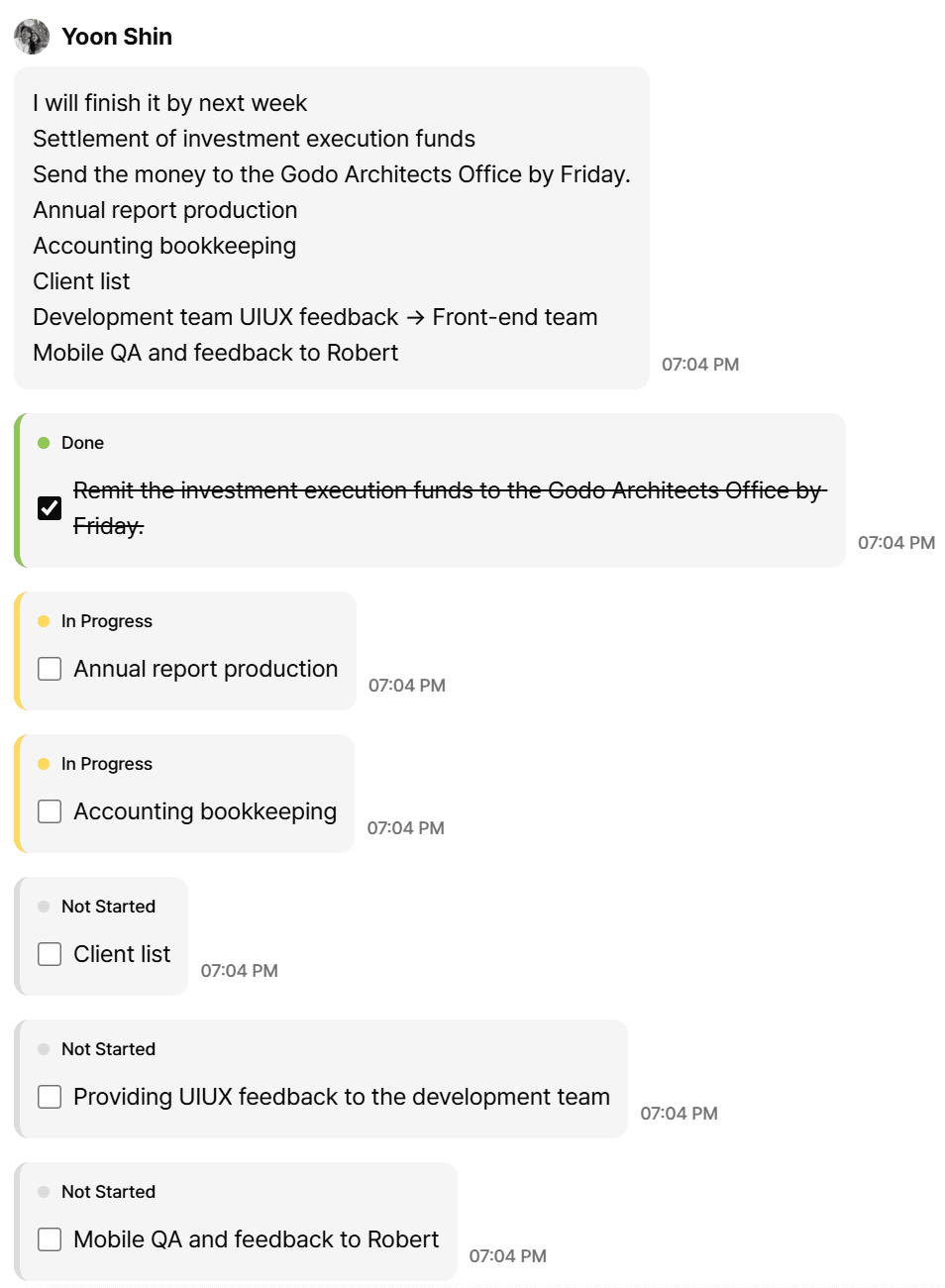
Here’s the part most tools miss:
The work is already inside the conversation.
Every meeting, chat, or thread contains:
Decisions
Commitments
Deadlines
Owners
The problem isn’t lack of structure.
The problem is structure is added too late.
What AI Can Actually Replace (And What It Can’t)
Let’s be clear.
AI should replace:
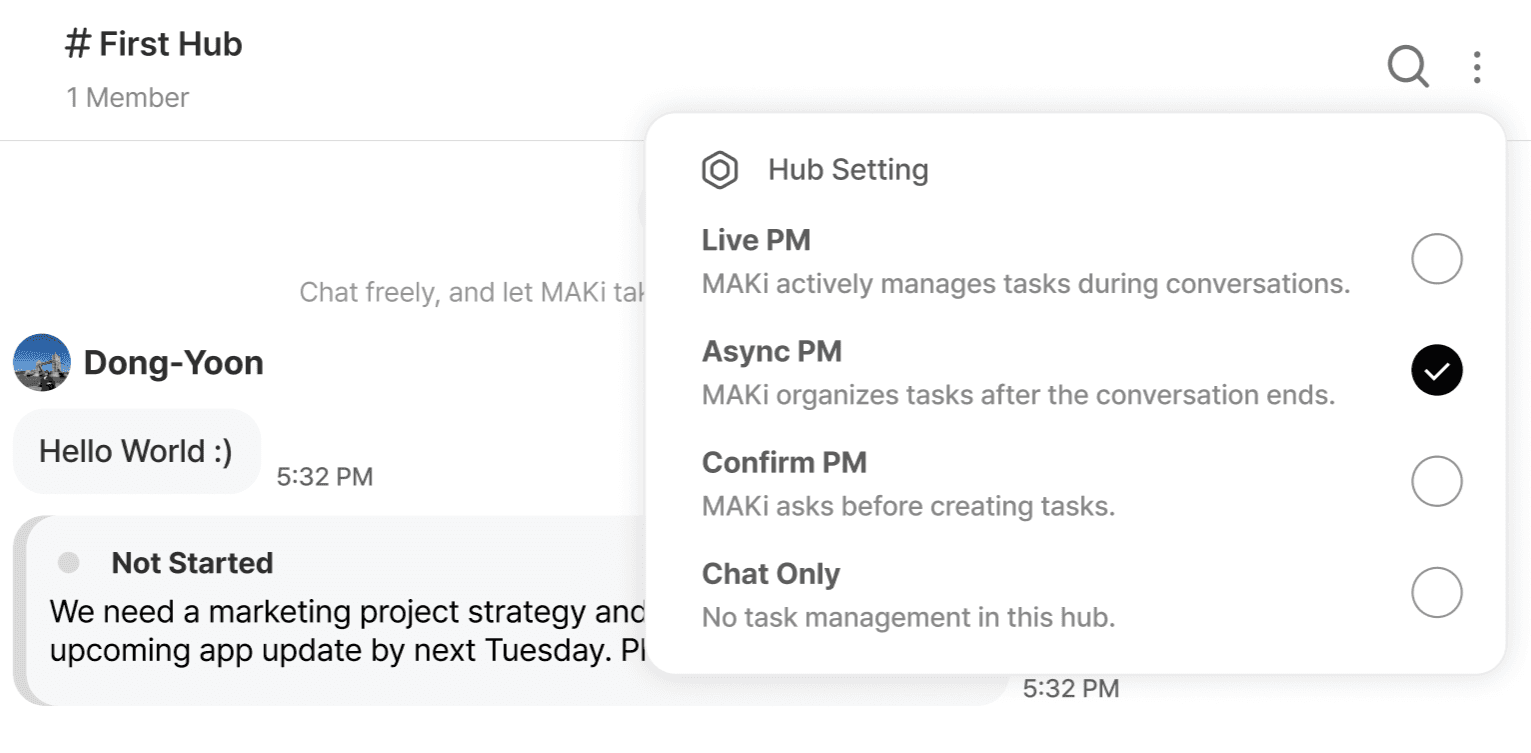
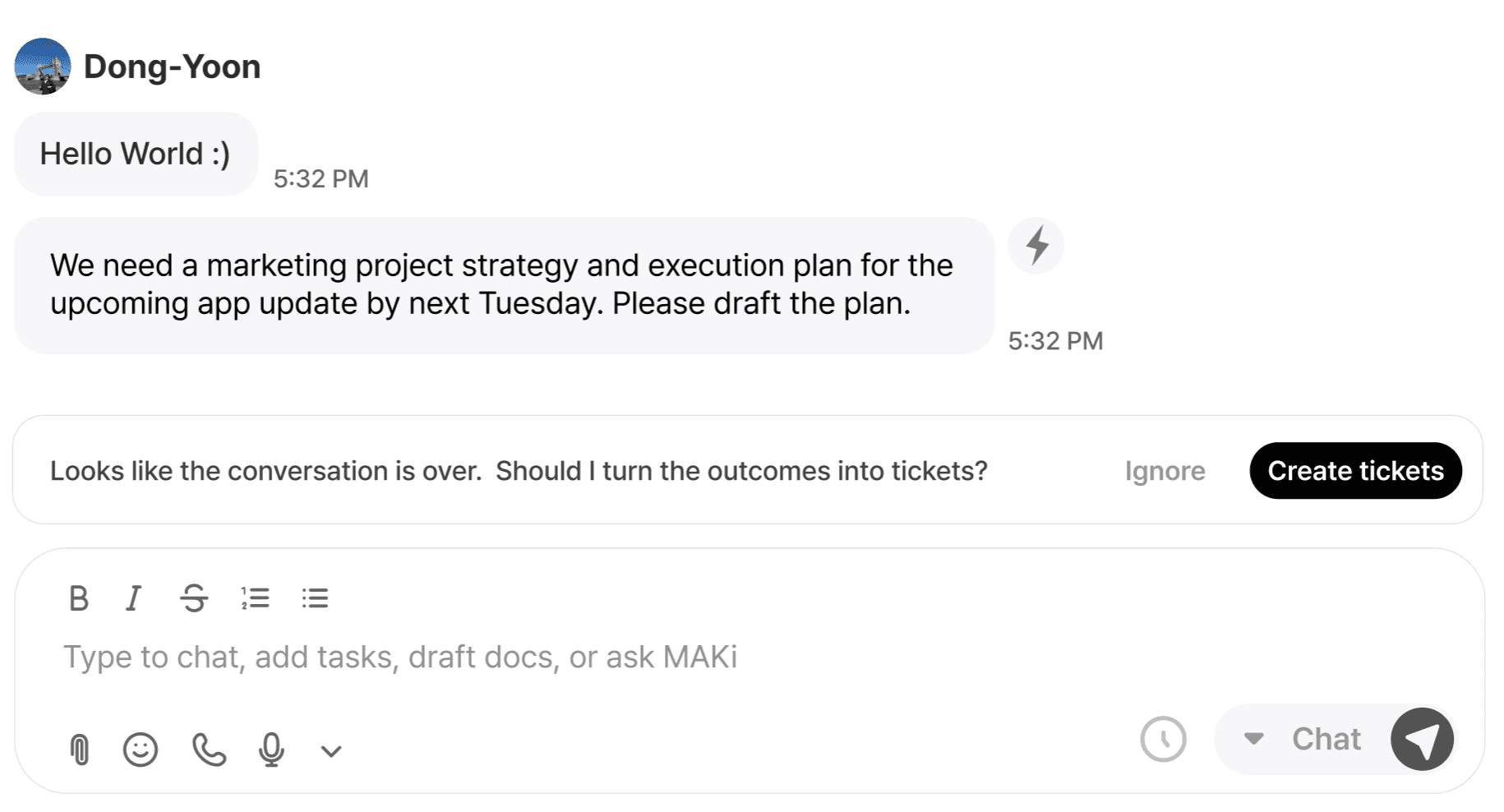
Task extraction
Meeting summaries
Follow-up generation
Status tracking
Reminder loops
AI should NOT replace:
Judgment
Prioritization
Trade-off decisions
Leadership
Contextual nuance
AI is great at turning chaos into structure.
Humans are great at deciding what matters.
What “AI as a PM” Really Means
When people say “AI PM,” they usually imagine a robot manager.
That’s the wrong mental model.
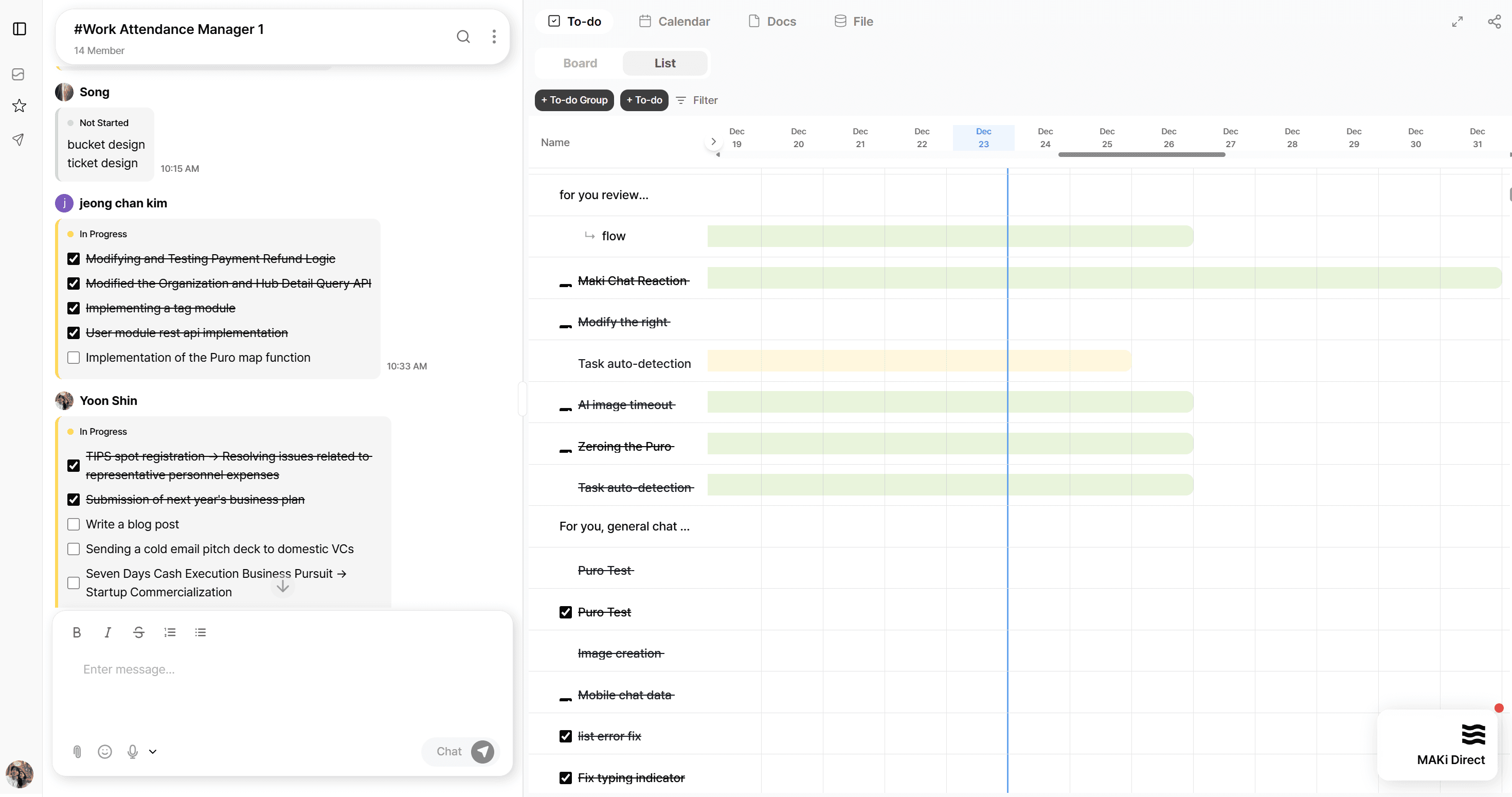
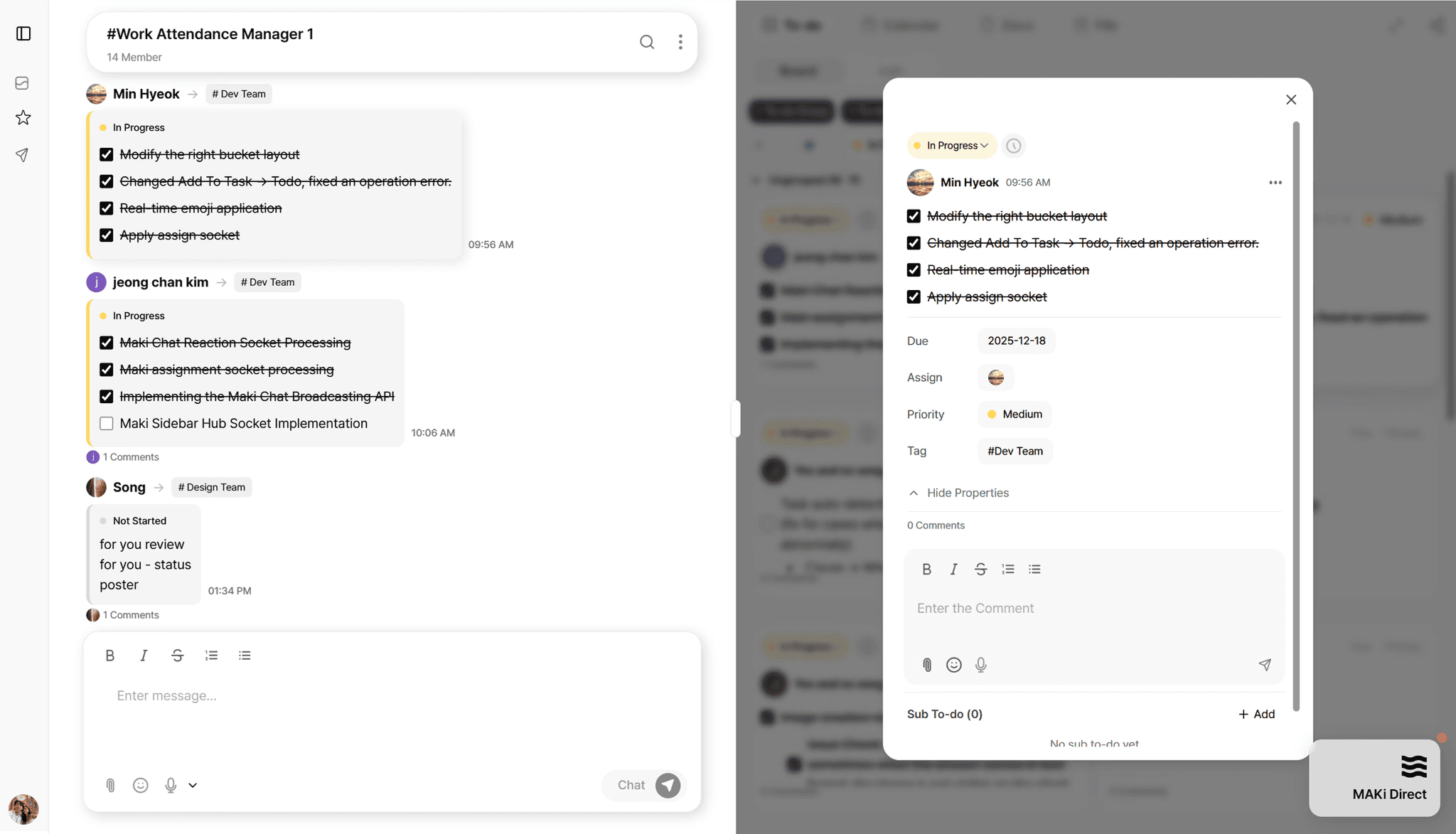
A better one is:
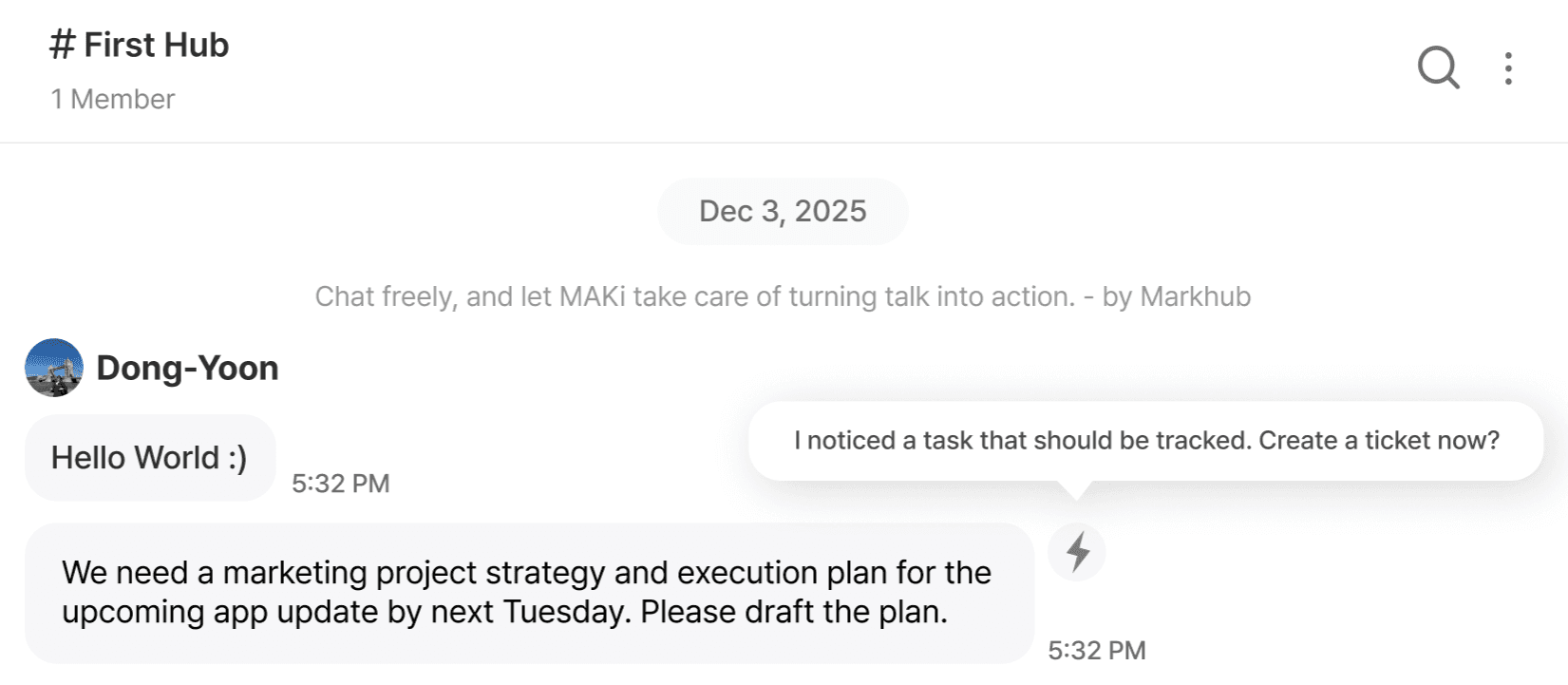
An AI that does what PMs do after meetings.
This includes:
Detecting tasks from conversations
Creating tickets automatically
Summarizing outcomes when discussions end
Keeping work visible without manual updates
No dashboards.
No extra forms.
No copy-pasting.
How Teams Are Already Using AI to Reduce PM Work
Execution-first teams are already seeing results:
Fewer follow-up meetings
Less manual task creation
Clear ownership after conversations
PMs focusing on decisions, not cleanup
The biggest shift?
PMs stop being the system.
The system starts doing PM work.
Why This Doesn’t Replace PMs It Makes Them Better
The fear is understandable:
“If AI does PM work, do we still need PMs?”
The answer is yes more than ever.
But their role changes:
From task janitor → decision maker
From reminder engine → alignment leader
From note taker → execution driver
AI removes the noise.
PMs focus on impact.
Where MAKi Fits In
MAKi was built around one idea:
If work starts with conversation, execution should too.
Instead of adding another tool, MAKi:
Turns conversations into structured to-do tickets
Summarizes meetings automatically
Acts like a PM inside the messenger
Reduces tool-switching dramatically
No new process to learn.
Just fewer things to manage.
The Bottom Line
AI won’t replace PMs.
But it will replace the parts of the job that shouldn’t exist.
The future of project management isn’t more dashboards.
It’s less cleanup after talking.
Teams that understand this will move faster
with fewer tools, fewer meetings, and better PMs.
👉 Want to see how AI handles PM busywork automatically?
MAKi helps teams turn conversations into execution without replacing the humans.