2025. 12. 26.

WhatsApp Is Great for Chat. Terrible for Work Execution.
WhatsApp is amazing at one thing:
talking.
It’s fast.
It’s familiar.
Everyone’s already there.
That’s exactly why so much actual work quietly dies inside it.
Here’s what really happens in WhatsApp-based teams
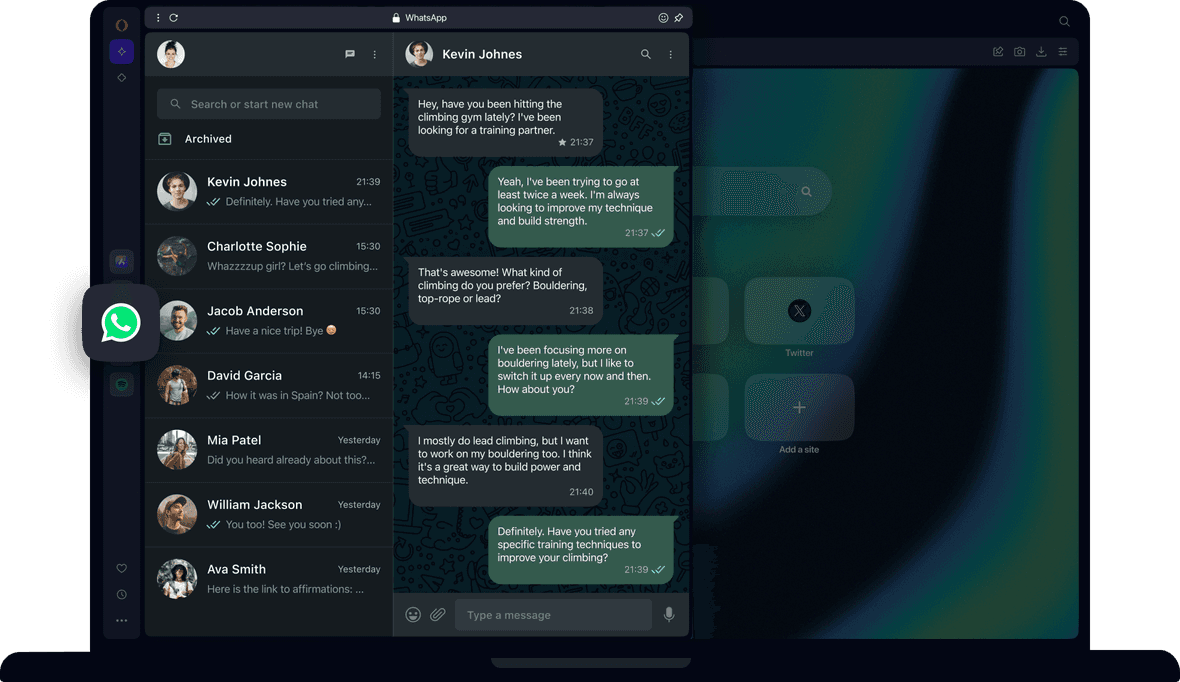
A typical conversation looks like this:
“Can you check that new Google API thing and tell us if it’s better?”
“Yeah, makes sense.”
“Let’s decide by next week.”
And then:
• No task is created
• No owner is assigned
• No deadline is tracked
• No follow-up happens
A week later, someone asks:
“Hey, did we ever decide on that?”
Everyone scrolls.
No one knows.
The problem isn’t people.
It’s the medium.
Chat is not execution
Chat is fluid.
Execution requires structure.
WhatsApp has:
Messages
Emojis
Voice notes
Read receipts
What it doesn’t have:
Tasks
Ownership
Priorities
Deadlines
Accountability
So teams do this awkward dance:
Talk in WhatsApp
Copy things into Notion / Jira / Excel
Forget half of it on the way
That gap?
That’s where work gets lost.
The real issue: cognitive friction
Every time a human has to ask:
“Should I turn this into a task?”
Work slows down.
Execution shouldn’t depend on:
Someone being organized
Someone remembering
Someone being “the PM”
It should be automatic.
What if chat was the system of execution?
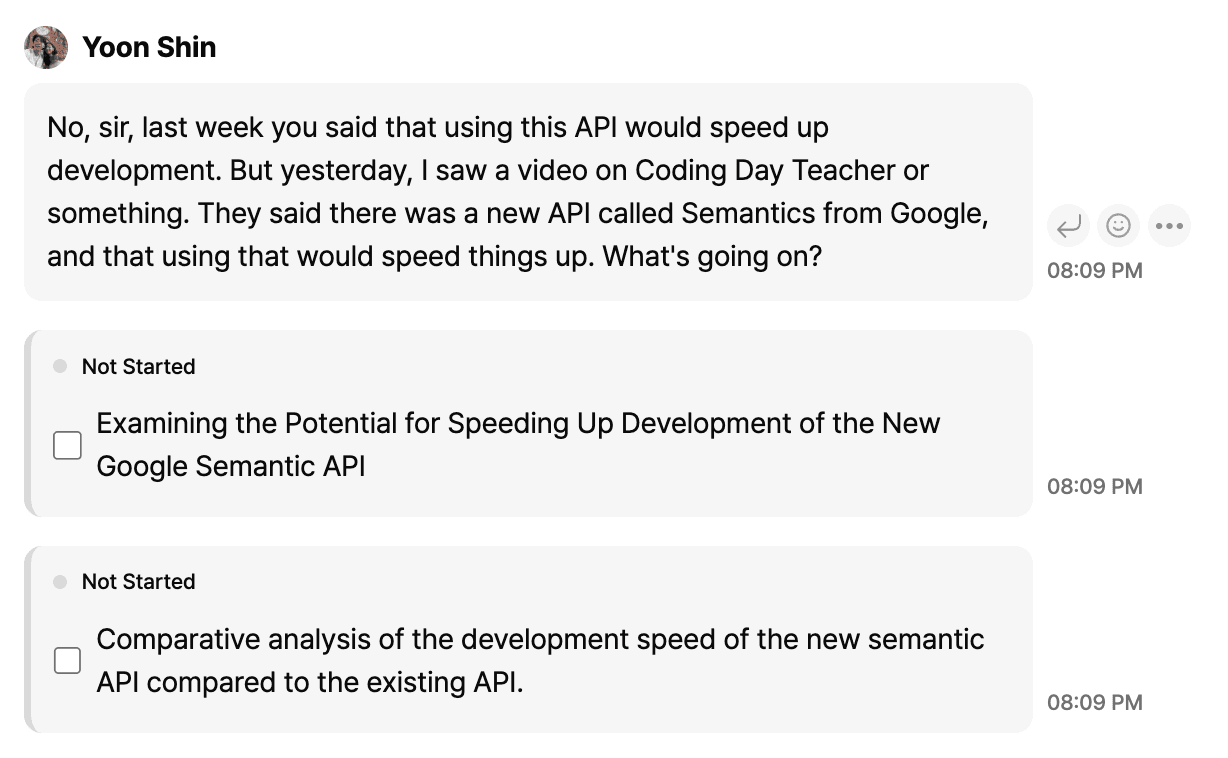
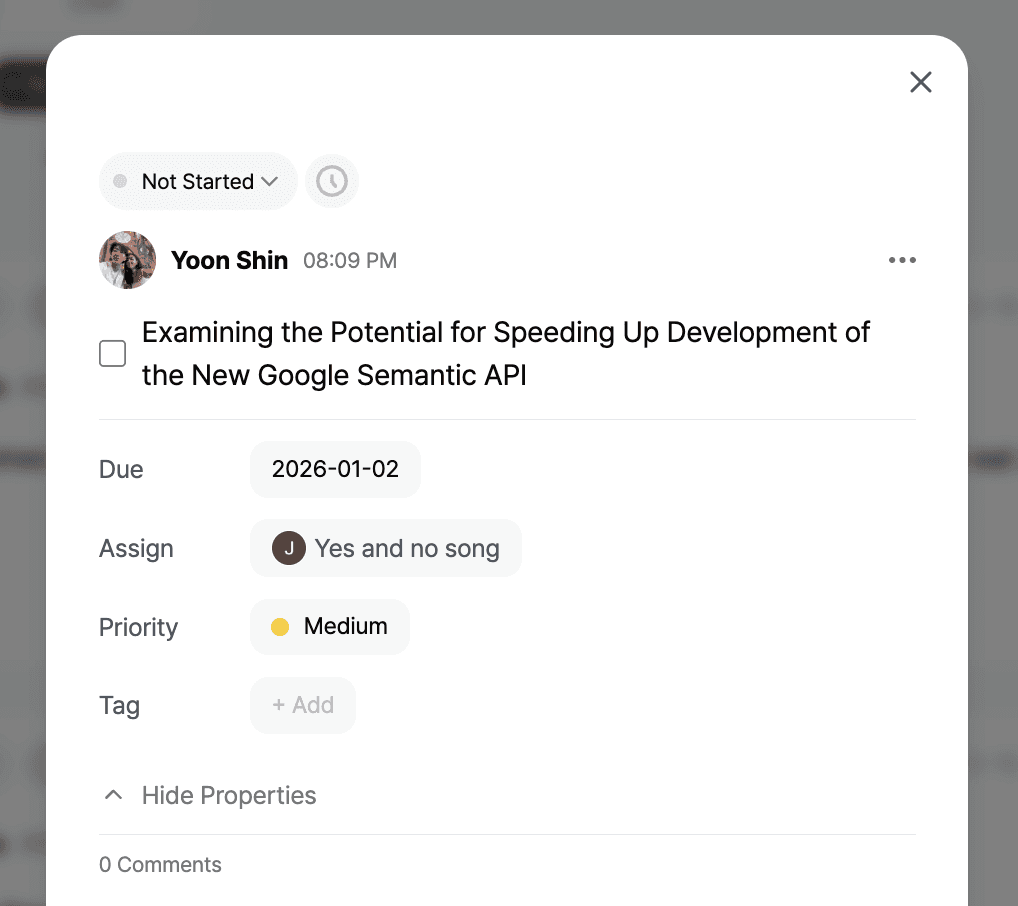
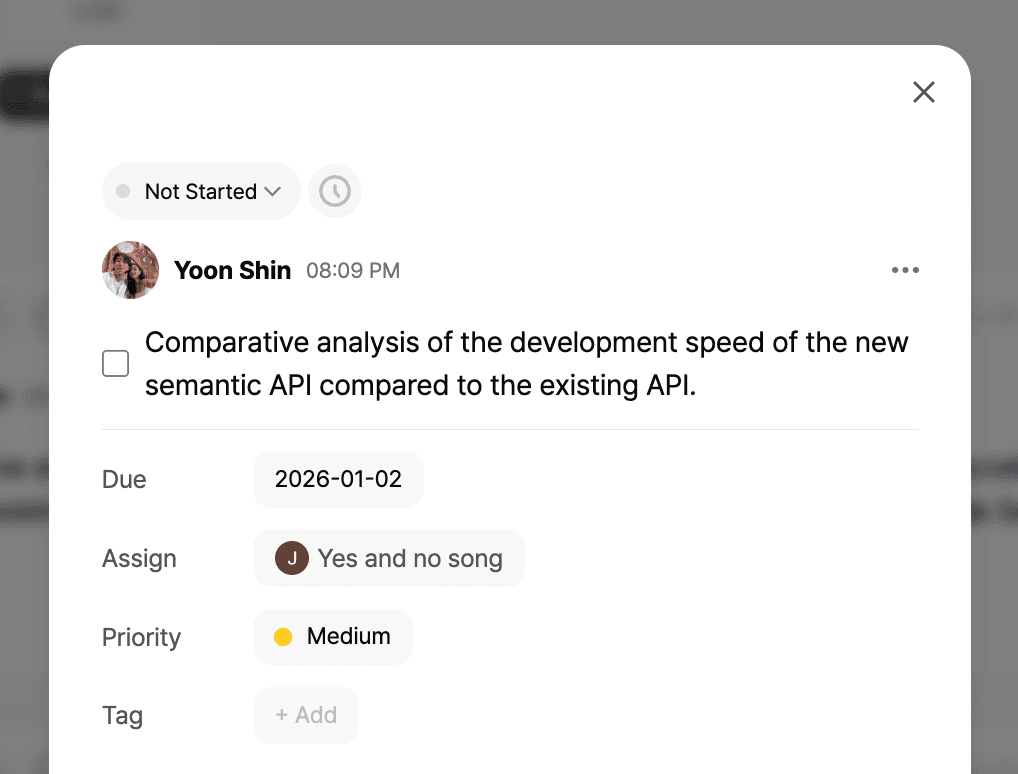
About this image: AI instantly captures to-dos from this chat.
Imagine this instead:
You talk like you always do.
Messy. Vague. Human.
And the system quietly does the boring part:
Extracts tasks
Groups related decisions
Assigns owners
Sets deadlines
Tracks progress
No copying.
No “I’ll do it later.”
No lost context.
Just: conversation → execution.
This is why we’re building MAKi
We’re not trying to replace chat.
We’re trying to fix what chat breaks.
MAKi starts like a messenger
but behaves like a project manager that never forgets.
You talk.
MAKi structures.
Work moves forward.
WhatsApp is great for chat.
But work deserves more than memory and good intentions.
It deserves a system that listens.