Dec 10, 2025
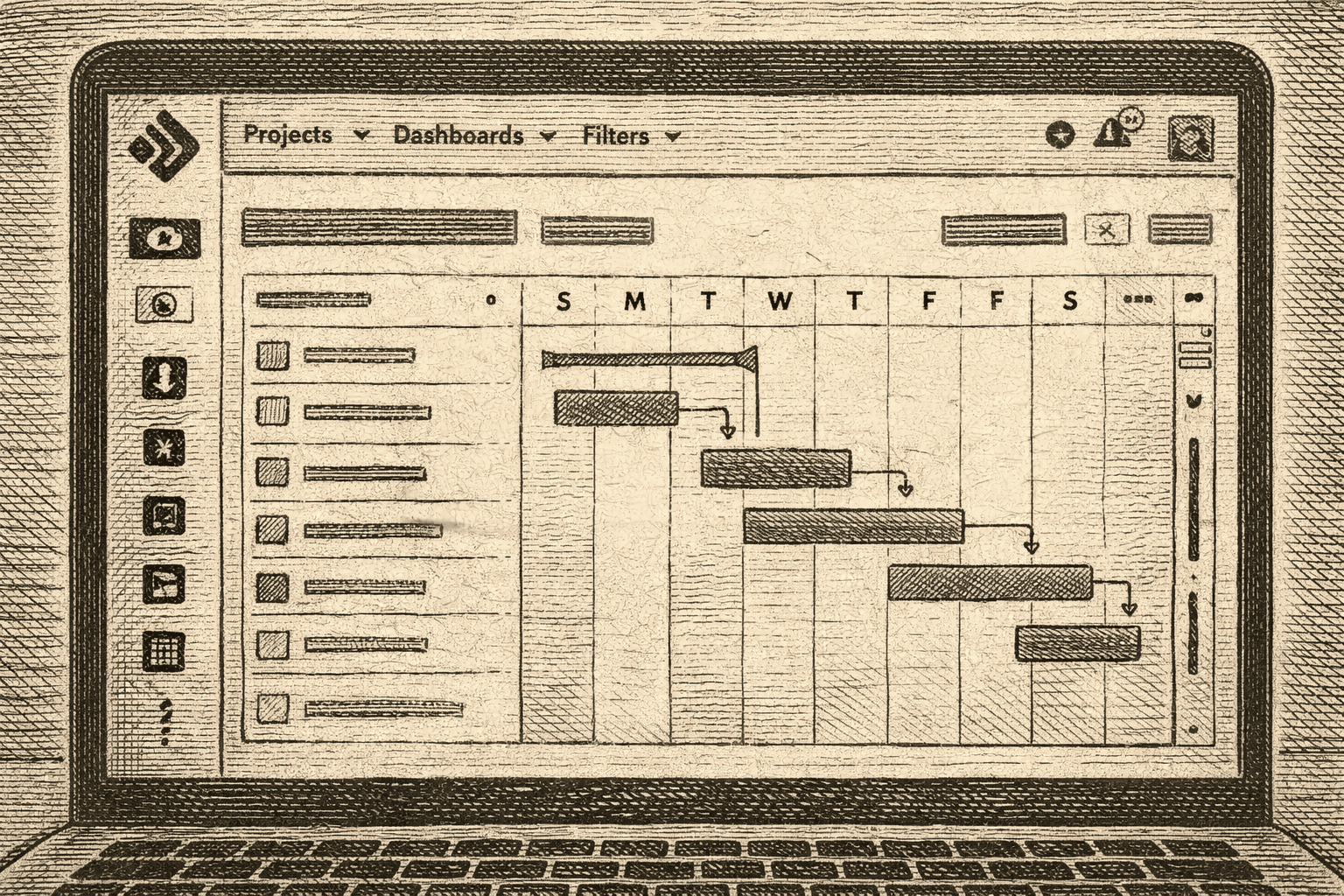
Why Jira Feels Too Heavy for Most Teams
Jira is powerful.
It’s also overwhelming.
For many teams, Jira doesn’t feel like a productivity tool
it feels like a second job.
If you’ve ever heard phrases like:
“We’ll update Jira later”
“It’s in Slack, not Jira”
“The board is outdated anyway”
You’re not alone.
So why does Jira feel so heavy for most teams?
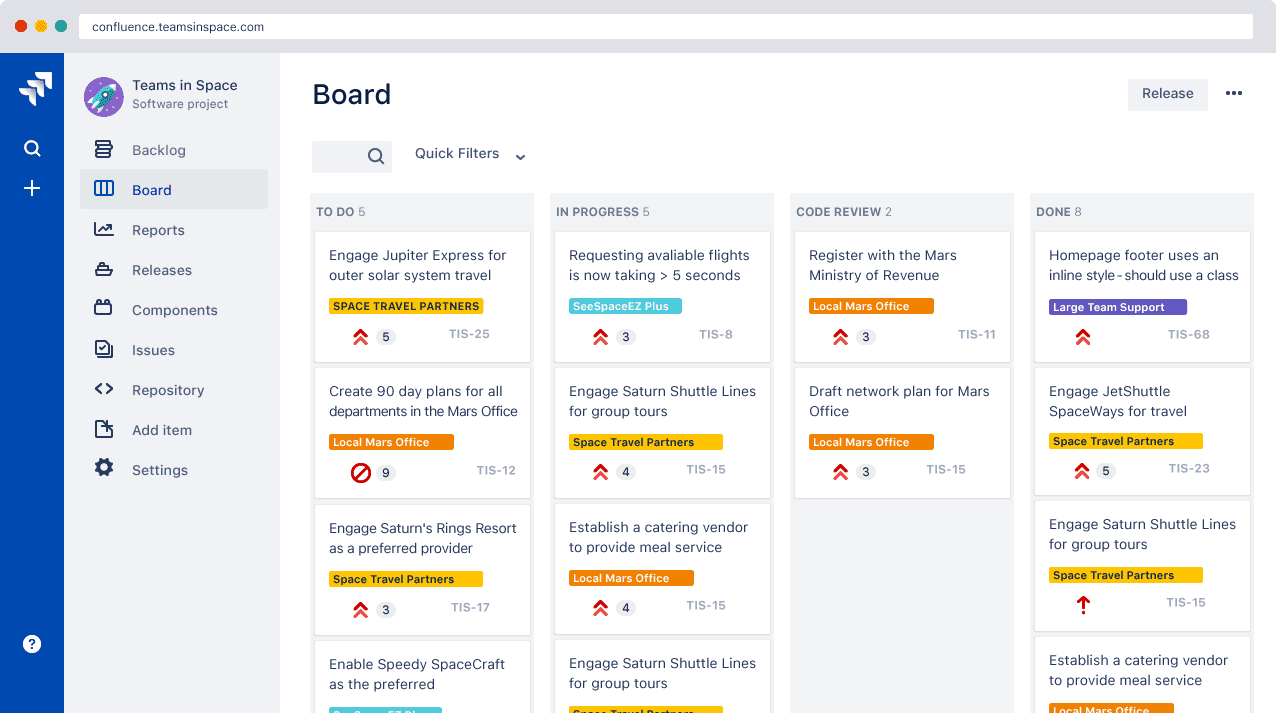
Jira Was Built for a Different Kind of Team
Jira wasn’t designed for modern, fast-moving teams.
It was built for:
Large engineering organizations
Strict processes
Long planning cycles
Dedicated project managers
In those environments, Jira makes sense.
But most teams today look very different:
Cross-functional
Conversation-driven
Async
Constantly changing priorities
Jira assumes work is planned first then executed.
Reality works the opposite way.
The Real Cost of Jira Isn’t the Tool It’s the Overhead
Jira’s biggest problem isn’t complexity.
It’s maintenance cost.
Every Jira workflow requires:
Manual ticket creation
Status updates
Field management
Board hygiene
Someone has to do this work.
And that “someone” is usually:
The PM
Or the most responsible person on the team
This creates a hidden tax:
Work about work.
Jira Lives Outside Where Work Actually Happens
Here’s the core issue.
Most real work happens in:
Slack
Meetings
Calls
Threads
Jira lives somewhere else.
So PMs end up translating:
Conversations → tickets
Decisions → fields
Agreements → statuses
Jira doesn’t reduce coordination work.
It centralizes it onto one person.
Heavy Tools Break Down Under Fast Iteration
When priorities change daily, Jira struggles.
Teams start to see:
Outdated boards
Zombie tickets
Unused workflows
Broken trust in the system
At that point, Jira becomes ceremonial.
It exists for reporting not execution.
The Psychological Cost No One Talks About
Jira changes how teams feel about work.
Small tasks feel heavier
Quick decisions feel bureaucratic
Conversations feel unfinished until “documented”
People delay action because:
“It’s not in Jira yet.”
That’s a signal something is wrong.
Why Teams Keep Jira Anyway
Despite all this, many teams keep Jira.
Why?
Switching costs feel high
Stakeholders demand visibility
“It’s what real teams use”
But tool maturity ≠ team maturity.
A heavy tool doesn’t make a team more professional.
It often just slows them down.
Lightweight Teams Need Lightweight Systems
Not every team needs:
Advanced workflows
Custom fields
Complex boards
Most teams need:
Clear ownership
Visible decisions
Fast execution
Less cleanup
They don’t need another place to manage work.
They need fewer places.
The Alternative Isn’t “Another Jira”
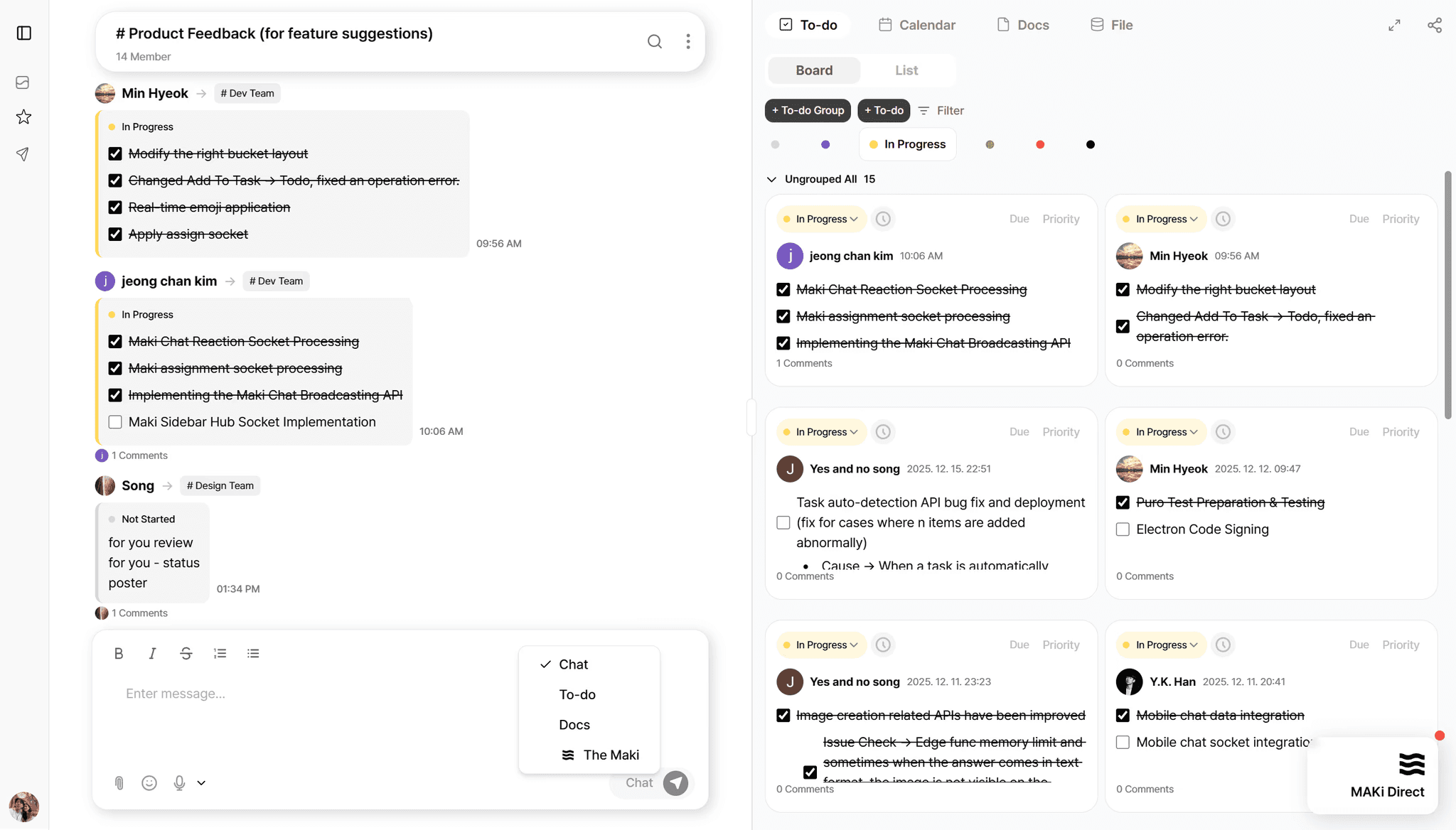
The solution isn’t replacing Jira with a smaller Jira.
The solution is starting earlier.
👉 At the conversation level.
If work begins in conversation, then:
Tasks should be created there
Decisions should be captured there
Execution should stay there
This removes the translation layer entirely.
Where MAKi Fits In
MAKi wasn’t built to compete with Jira feature-for-feature.
It was built to remove the need for Jira for many teams.
MAKi:
Turns conversations into structured to-do tickets
Captures decisions automatically
Keeps execution visible inside the messenger
Reduces PM overhead dramatically
No extra boards.
No workflow maintenance.
No ticket babysitting.
The Bottom Line
Jira isn’t bad software.
It’s just heavy.
And most teams today don’t need more weight
they need less friction.
If your team spends more time managing Jira
than moving work forward,
the problem isn’t your team.
It’s the tool.