Oct 27, 2025
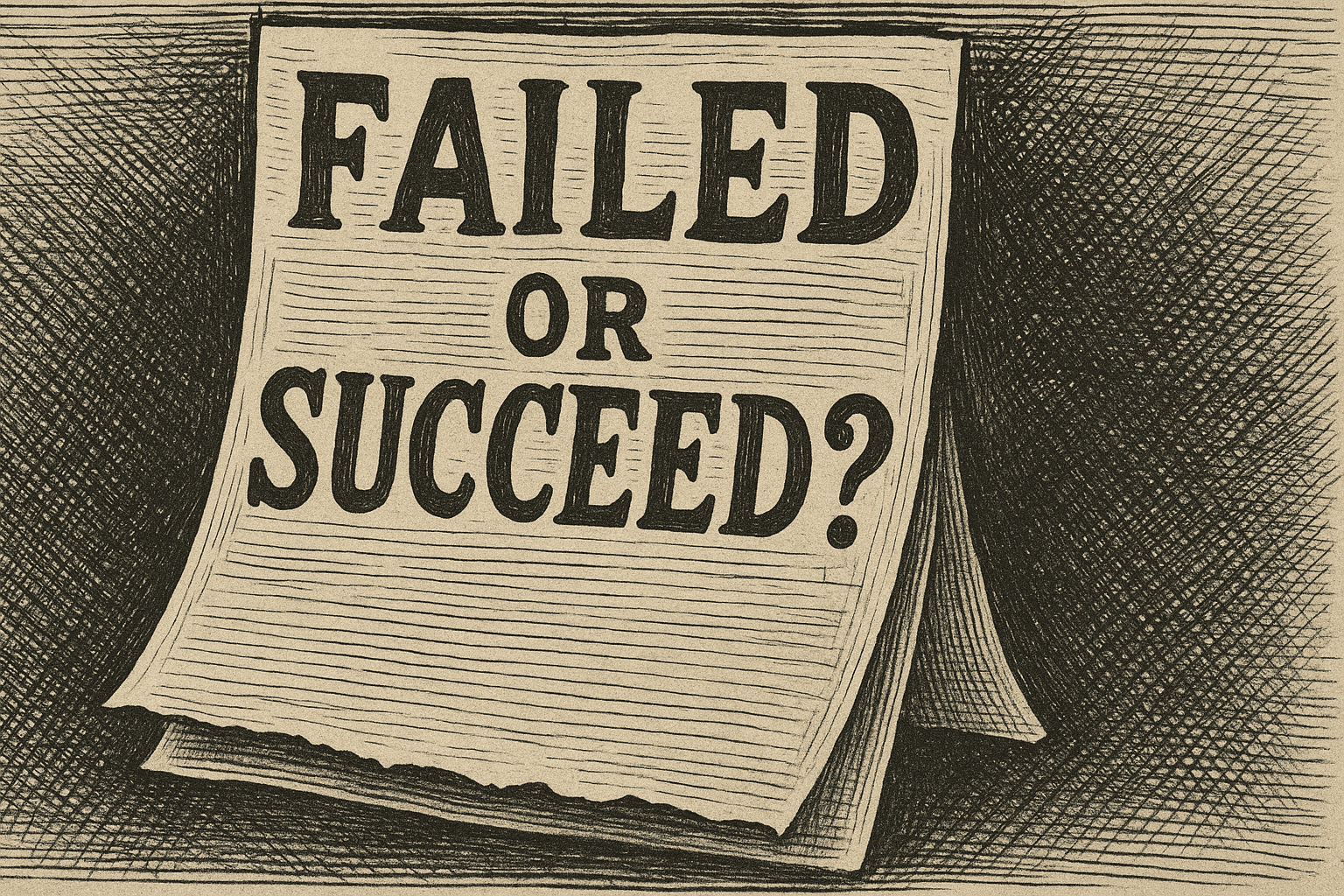
Most Founders Don't Fail From Bad Ideas. They Fail From Slow Execution.
In the fast-paced world of startups, there's a common misconception that success hinges on having a revolutionary idea. But after years of working with startups and observing countless failures and successes, I've come to realize something different: most founders don't fail because their ideas are bad. They fail because they execute too slowly.
The Hidden Purpose of Messenger Apps
When you think about Slack, Teams, or any messenger app your team uses, what comes to mind? Communication, right? Chat, collaboration, staying connected. But if you look deeper, these tools serve a much more critical function: they're where decisions are made.
Every conversation in your company messenger is essentially a micro-decision in the making:
"Should we pivot the marketing strategy?"
"Can we ship this feature by Friday?"
"Do we have the budget for this hire?"
The real question isn't whether you're communicating well. It's whether those conversations are turning into action fast enough.
Why Execution Speed Is Your Most Valuable Asset
For startups, especially in the early stages, execution speed isn't just important—it's everything. Every iteration, every experiment, every attempt adds to your knowledge base. Whether you succeed or fail, you're building an asset: experience.
Think about it this way: A startup that ships 10 features in a quarter learns 10 times more than one that ships just one. Even if half of those features fail, the team now has data, user feedback, and insights that their slower competitor doesn't have.
But here's the catch.
The Startup Dilemma: Speed vs. Accuracy
While speed is crucial, reckless execution can be equally fatal. Startups operate under intense resource constraints—limited capital, small teams, tight timelines. Every decision matters. Every misstep costs not just time, but money and morale.
A failed experiment can be a valuable learning experience that reduces future trial and error. But it can also be the decision that depletes your runway just before you hit product-market fit. It's a delicate balance:
Move too slow? Your competitors outpace you, and opportunities slip away.
Move too fast without thinking? You waste precious resources on the wrong things.
The ideal scenario is moving fast in the right direction—but how do you achieve that?
From Conversations to Action: Building an Execution Engine
This is the problem my team is obsessed with solving.
We noticed that most startup teams spend hours in messenger apps discussing what needs to be done, debating priorities, and making decisions. But there's usually a gap—sometimes hours, sometimes days—between the conversation and the actual execution.
Someone has to manually:
Remember what was decided
Create a ticket or task
Assign it to the right person
Track its progress
By the time all of this happens, momentum is lost. The urgency fades. The decision becomes stale.
Our solution automatically converts messenger conversations into actionable tickets. But we go a step further: our AI model learns from these decisions over time, helping teams make better choices that:
Save money by identifying inefficient patterns
Generate revenue by prioritizing high-impact work
Drive growth by learning from past successes and failures
It's not just about speeding up execution—it's about making sure you're executing on the right things.
The Compounding Effect of Fast, Smart Decisions
When you combine speed with intelligence, something powerful happens. Your startup begins to compound its learning. Every decision informs the next one. Every experiment becomes data that guides future strategy.
Imagine a team that:
Decides to test a new feature in Slack at 10 AM
Has a ticket created automatically by 10:02 AM
Ships an MVP by end of day
Analyzes results the next morning with AI-assisted insights
Makes the next decision based on data, not just gut feeling
This isn't just faster execution—it's smarter execution. And in the startup world, smart speed is the ultimate competitive advantage.
The Bottom Line
Most founders have good ideas. Great ideas, even. But ideas don't build companies—execution does. And in a world where every day counts, the teams that can turn conversations into action faster and smarter than their competitors are the ones that win.
The question isn't whether you're making decisions in your messenger apps. You already are. The question is: Are you executing on them fast enough? And are you making the right ones?